Mid-Market Exchange Rates: What Your Bank Doesn't Show You
What the mid-market rate is, why the rate your bank offers is always worse, and how to check any currency conversion in seconds before you pay.
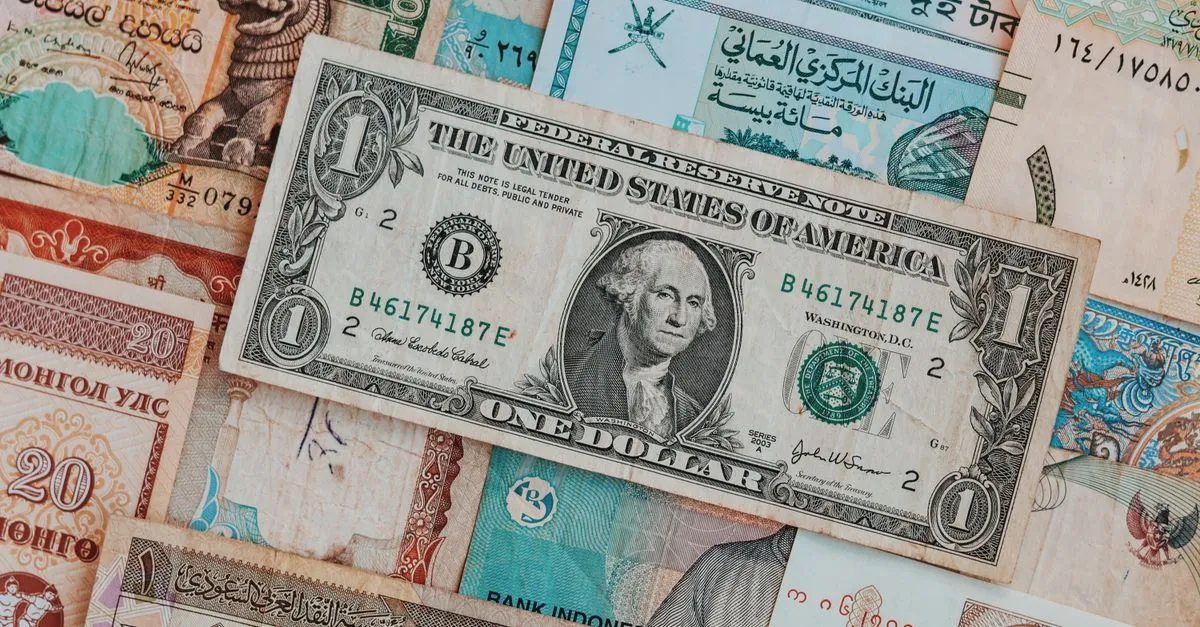
Search “100 usd to eur” and Google gives you a number. Try to actually get that number at a bank, and it’s gone. The rate on your card statement is worse. The airport kiosk is much worse. Where did the difference go?
The mid-market rate is the real one
At any moment there are two prices for a currency: what buyers bid and what sellers ask. The midpoint between them is the mid-market rate — the one you see on Google, Reuters, or XE. It’s the fairest number available, because nobody’s margin is baked into it yet.
Central banks publish reference versions of it. The European Central Bank posts its rates every working day around 16:00 CET, and those figures are what accountants, tax offices, and most free rate APIs rely on. Our Currency Converter uses this kind of daily reference data, covering more than 160 currencies.
Where your money actually goes
Nobody sells currency at the mid-market rate. The business model is simple: quote you a slightly worse rate and keep the gap. The size of that gap is the only thing worth comparing.
- Card networks (Visa, Mastercard) convert close to mid-market, then your bank typically adds 1–3% as a “foreign transaction fee.”
- Banks exchanging cash usually take 2–5%.
- Airport kiosks are the worst offenders — spreads of 10% and more are common. “0% commission” signs just mean the margin is hidden in the rate itself.
On a €1,000 hotel bill, the difference between a 1% and a 10% spread is about €90. Same money, same day, different counter.
The one trap worth memorizing
When a foreign card terminal or ATM offers to charge you in your home currency — “Would you like to pay in USD?” — say no. That feature is called dynamic currency conversion, and the exchange rate behind it is set by the merchant’s bank, routinely 5–8% worse than what your own card would do. Always pay in the local currency. This single habit saves more money than any amount of rate shopping.
How to sanity-check any conversion
Before exchanging money or paying a foreign invoice, I do three things:
- Check the mid-market rate for the pair.
- Note the inverse rate too (1 EUR = 1.08 USD also means 1 USD = 0.93 EUR) — it makes mental math on receipts much easier.
- Compare the offered rate against mid-market and work out the spread as a percentage. Under 2% is fine. Over 5% means keep looking.
The converter shows the rate, the inverse, and the timestamp of the last update in one place, so this whole check takes about ten seconds.
What daily rates are good for — and what they aren’t
Reference rates refresh once a day. For invoicing, budgeting a trip, pricing products in another currency, or checking whether an exchange office is ripping you off, that’s plenty — major pairs rarely move more than a fraction of a percent in a day. What daily rates are not for is trading. If you need tick-by-tick pricing, you need a broker terminal, not a converter.
For everything else: check the fair rate first, then negotiate from there. Try it now with the Currency Converter — type an amount and see what your money is actually worth.