How to Compare Two Texts and Spot the Differences Instantly
A practical guide to text diffing — use cases, how line-level comparison works, and why browser-based tools keep your data private.
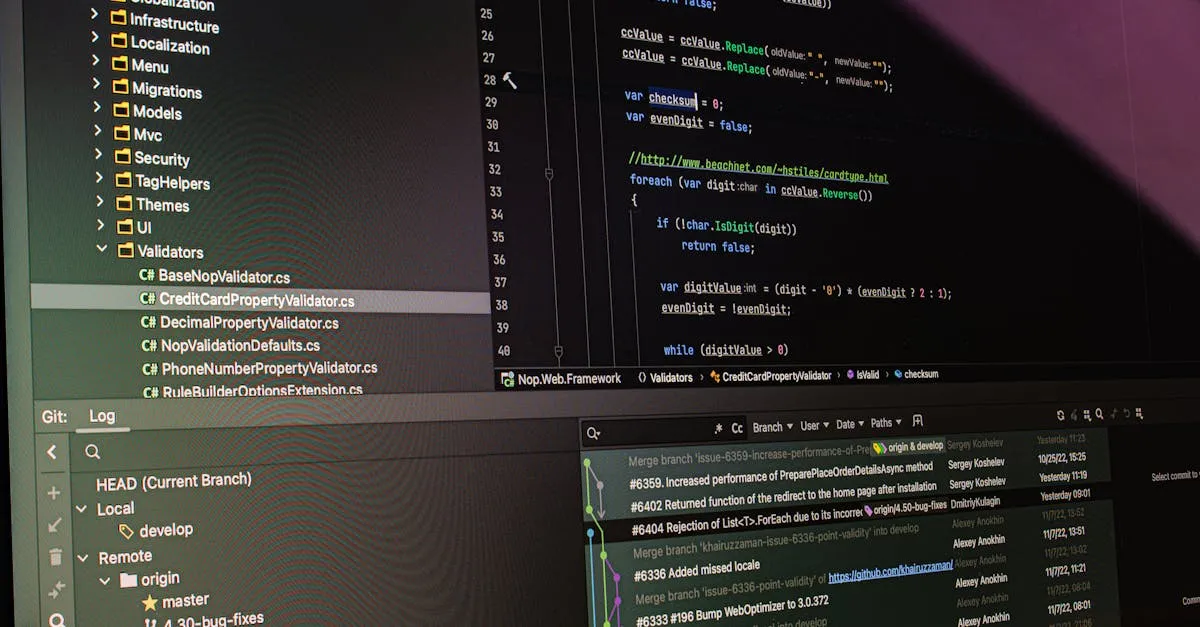
When a collaborator returns an edited document, or a deployment changes a config file, or an AI tool rewrites a paragraph you didn’t ask it to touch — the question is always the same: what exactly changed? Reading two versions side by side manually is slow and error-prone. A diff tool answers the question in seconds.
What a text diff actually is
A “diff” is a list of changes between two versions of a file or text. The term comes from the Unix diff command, which has been a standard developer tool since the 1970s. A diff shows three things:
- Added lines — text that appears in the new version but not the original
- Removed lines — text from the original that’s missing from the new version
- Unchanged lines — identical lines that appear in both
Our Text Diff uses the Longest Common Subsequence (LCS) algorithm to find the minimal set of changes between two texts. It’s the same approach Git uses internally.
When you’d actually use this
Document revision is the obvious case. Paste the old draft and the new draft, and you see exactly what an editor changed — no need to read both versions word by word. For a long document with edits scattered throughout, this saves a lot of time.
Code review is another. Before committing or sharing code, comparing the old version with your changes catches unintended edits — a line you accidentally modified, a variable you renamed in one place but not another.
Configuration management is where diffs are genuinely essential. DevOps engineers paste config files into a diff tool to confirm that a deployment only touched the expected values. An extra changed line that wasn’t supposed to be there is exactly the kind of thing that causes outages.
I use it most often for AI content checking. When I ask a tool to rewrite a specific sentence and it rewrites three paragraphs, the diff shows me exactly what changed. Faster than re-reading the whole thing.
How to use the tool
- Paste the original text in the “Original text” box on the left.
- Paste the revised text in the “Changed text” box on the right.
- Click Compare. Added lines appear in green with a ”+” prefix; removed lines appear in red with a ”−” prefix; unchanged lines appear without colour.
The stats bar above the output shows exact counts of added, removed, and unchanged lines — useful when you want a quick sense of how much changed without reading every line.
Click Clear to reset both boxes and start a new comparison.
Why line-by-line comparison
The tool compares texts line by line, which is the standard for document and code review. A line moved to a different position shows as a deletion at the old location and an addition at the new one. A single word changed within a line shows the whole line as removed and re-added.
Line-level comparison is simpler to read than character-level comparison for most real-world texts. When you need to see the exact character that changed, you can look at the two highlighted lines side by side.
Privacy
Your text never leaves your browser. The diff runs locally using JavaScript — no server, no logs, no uploads. The tool works offline once the page has loaded. This makes it safe to use with confidential documents, proprietary code, or anything else you’d rather not send to a third-party server.
Try the Text Diff tool — paste two blocks of text and see the differences highlighted instantly, no signup required.